How We Purify The Process
Slow, by hand, in small batches.
The old way, because it is the honest way. No solvents, no additives — just spring water, fine cloth, patience, and a lab report at the end.
- 01
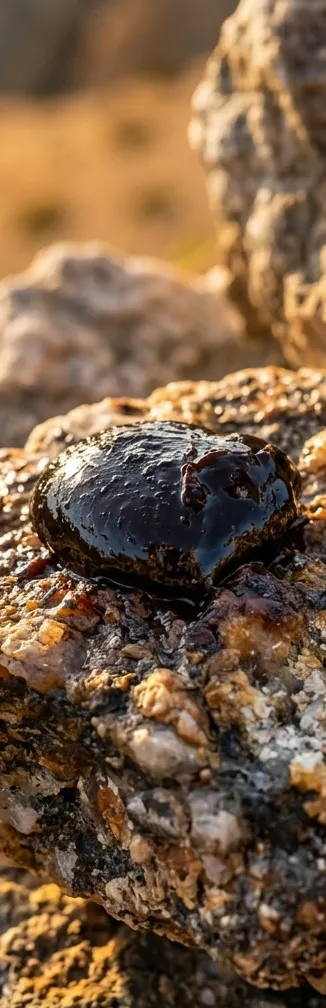
Raw stone, from the cliffs
Crude shilajit is gathered from the high rock faces above Dunai, where it seeps and hardens over centuries. It arrives dense, mineral, and unrefined.
- 02
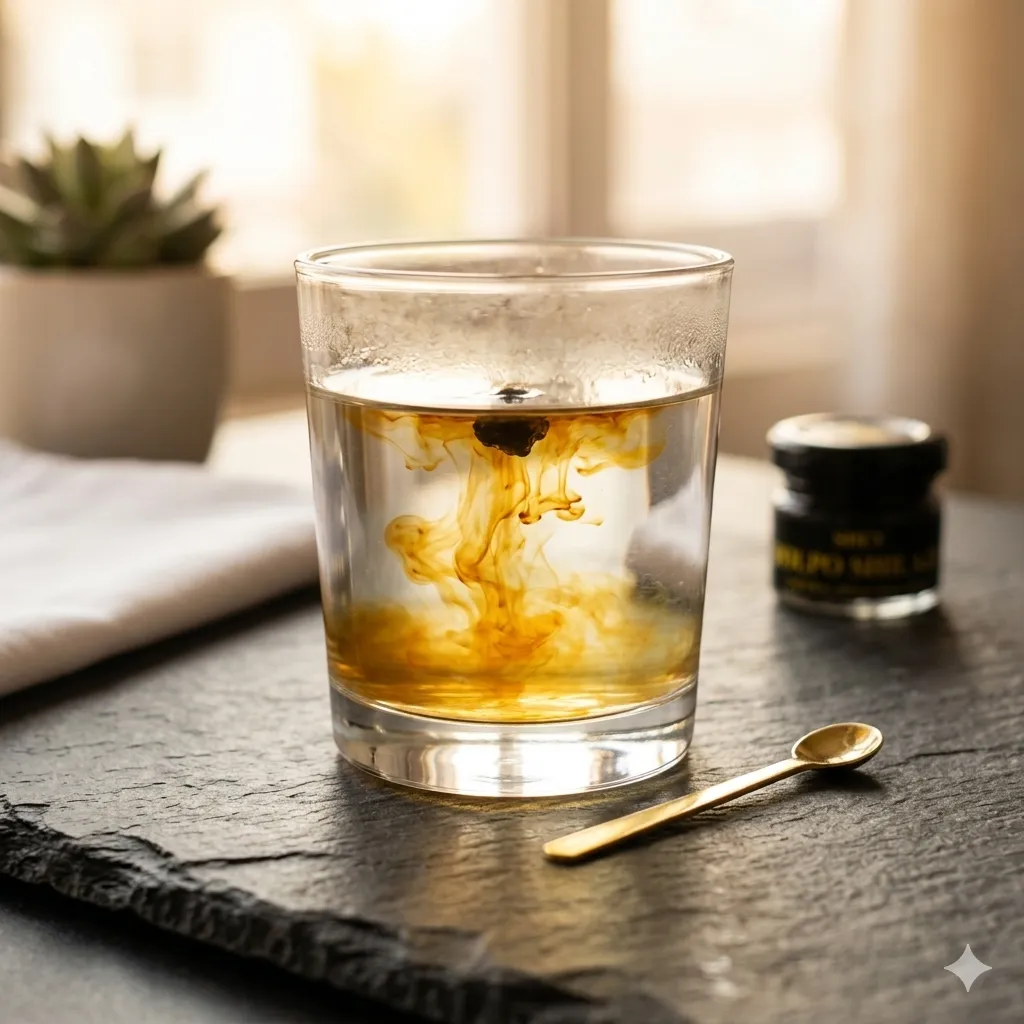
Soaked in mountain spring water
The raw resin is dissolved in cool Himalayan spring water — never harsh solvents — letting the pure resin release and the rock and grit settle out.
- 03
Filtered, again and again
The solution is filtered repeatedly through fine cloth to remove sand, stone, and plant debris. Patience here is what separates clean resin from gritty paste.
- 04
Dried slowly, low and gentle
The filtered liquid is reduced slowly at low heat — sun and gentle warmth — concentrating it back into resin without cooking out its character.
- 05
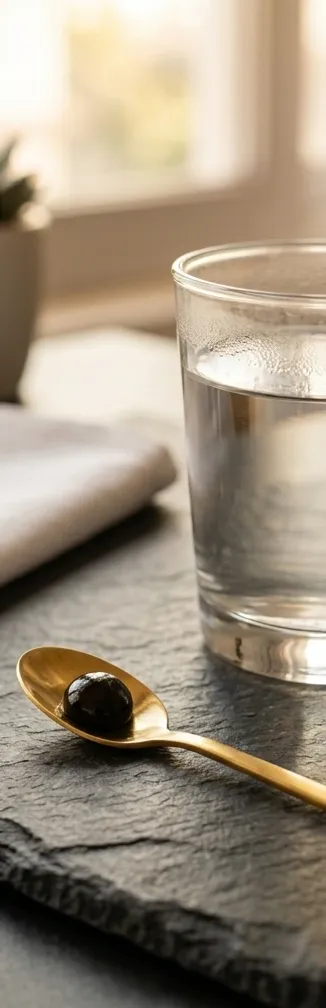
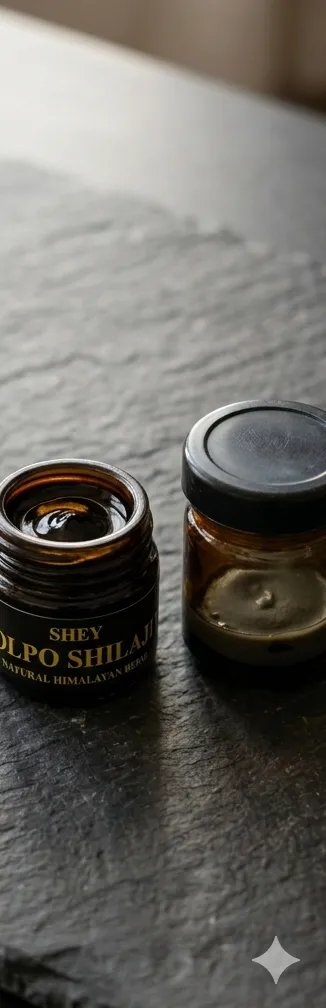
Sealed in glass, tested per batch
The finished resin is sealed in black glass and a sample from the batch goes to the lab for fulvic-acid and heavy-metal testing before it ever ships.
Handmade has a cost. We think it is worth it.
Industrial processing can turn raw shilajit around in hours, at scale, often with heat and solvents that strip character. Ours takes days, by hand, in batches small enough to watch. It is slower and it makes less — and it is the reason the resin tastes and behaves the way it should.
Our exact method
Specifics of our purification — PURIFICATION_METHOD — are documented here once finalised, alongside process photography from the Dunai room.